


What Does a Personal Support Worker (PSW) Do?
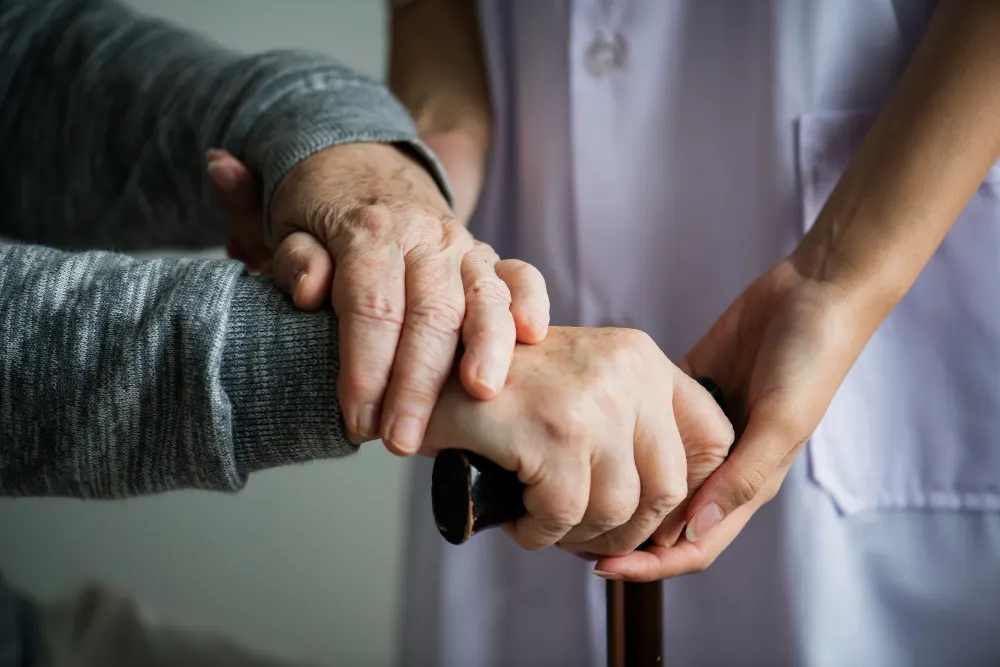
When a loved one begins needing extra help with everyday activities, many families come across the term Personal Support Worker (PSW). While it may sound like a medical role, a PSW focuses on helping individuals maintain their independence, comfort, and quality of life at home or in care settings.
Whether supporting seniors, individuals recovering from surgery, or people living with disabilities, Personal Support Workers play an important role in helping clients remain safe and comfortable while continuing their daily routines.
What Is a Personal Support Worker?
A Personal Support Worker (PSW) is a trained caregiver who assists individuals with everyday living activities that have become difficult due to aging, illness, injury, or limited mobility.
Unlike nurses, PSWs generally do not perform medical procedures. Instead, they provide personal care, practical assistance, companionship, and emotional support that help clients continue living as independently as possible.
Their services are personalized to meet each client’s unique needs and schedule.
What Does a Personal Support Worker Do?
The responsibilities of a Personal Support Worker can vary depending on the individual’s condition and care plan. Some clients require only a few hours of assistance each week, while others benefit from daily support.
Common PSW responsibilities include:
Personal Care Assistance
Personal hygiene is one of the most important aspects of maintaining health and dignity.
A PSW may assist with:
- Bathing and showering
- Dressing and grooming
- Oral hygiene
- Toileting assistance
- Skin care and personal hygiene
The goal is always to provide respectful assistance while encouraging as much independence as possible.
Mobility Support
Moving safely around the home can become challenging with age or after an illness.
A PSW can help with:
- Walking assistance
- Safe transfers from bed to chair
- Fall prevention
- Position changes
- Light exercise recommended by healthcare professionals
This support helps reduce the risk of injuries while improving confidence and mobility.
Meal Preparation and Nutrition
Good nutrition plays an essential role in overall health.
Personal Support Workers often assist by:
- Preparing healthy meals
- Helping with feeding if needed
- Grocery shopping
- Encouraging proper hydration
- Following dietary restrictions or meal plans
Having nutritious meals readily available can improve energy levels and overall well-being.
Medication Reminders
While PSWs generally do not prescribe or administer medications unless permitted by local regulations and employer policies, they often provide helpful reminders to ensure medications are taken according to schedule.
This simple support can help reduce missed doses and encourage better medication management.
Light Housekeeping
A clean home contributes to both safety and comfort.
Many PSWs assist with light household tasks, including:
- Laundry
- Vacuuming
- Washing dishes
- Changing bed linens
- Tidying living spaces
These services help create a safer and more organized environment.
Companionship and Emotional Support
One of the most valuable parts of a PSW’s role is providing companionship.
Many seniors experience loneliness due to reduced mobility or living alone. Spending time together through conversation, games, walks, or shared hobbies can improve emotional well-being and reduce feelings of isolation.
Social interaction also supports better mental health and overall quality of life.
Transportation and Errands
Depending on the care plan, a PSW may also assist clients with:
- Medical appointments
- Grocery shopping
- Pharmacy visits
- Community outings
- Personal errands
Reliable transportation allows clients to remain active and connected within their community.
Who Can Benefit From a Personal Support Worker?
Personal Support Workers assist a wide range of individuals, including:
- Older adults who want to remain at home
- Seniors needing help with daily activities
- Individuals recovering after surgery
- People living with chronic illnesses
- Adults with disabilities
- Family caregivers who need temporary support or respite care
Support can be adjusted as care needs change over time.
Benefits of Having a Personal Support Worker
Professional PSW services provide benefits for both clients and their families.
Some of the biggest advantages include:
- Greater independence at home
- Improved personal safety
- Better daily routines
- Reduced risk of falls
- Emotional companionship
- Support with everyday tasks
- Relief for family caregivers
- Personalized care based on individual needs
Receiving the right level of assistance often helps clients maintain confidence and enjoy a higher quality of life.
Frequently Asked Questions
Is a Personal Support Worker the same as a nurse?
No. Personal Support Workers focus on assisting with daily living activities, personal care, companionship, and household support. Registered nurses provide medical assessments, treatments, and clinical care.
Can a PSW help seniors living independently?
Yes. Many seniors receive PSW services while continuing to live safely and comfortably in their own homes.
How often can a Personal Support Worker visit?
Visits vary depending on each client’s needs. Some individuals receive support for a few hours each week, while others require daily or extended care.
What services does a Personal Support Worker provide?
A PSW may assist with bathing, dressing, meal preparation, mobility support, companionship, light housekeeping, medication reminders, transportation, and other daily living activities.
Supporting Independence Through Compassionate Care
Personal Support Workers play an essential role in helping individuals live safely, comfortably, and independently. By providing practical assistance, emotional support, and personalized care, they improve quality of life while giving families confidence that their loved ones are receiving the attention they need.
Whether someone needs occasional help around the home or ongoing daily support, a Personal Support Worker can make everyday life easier while promoting dignity, independence, and overall well-being.