


How to Prepare Your Home for Safe Aging in Place
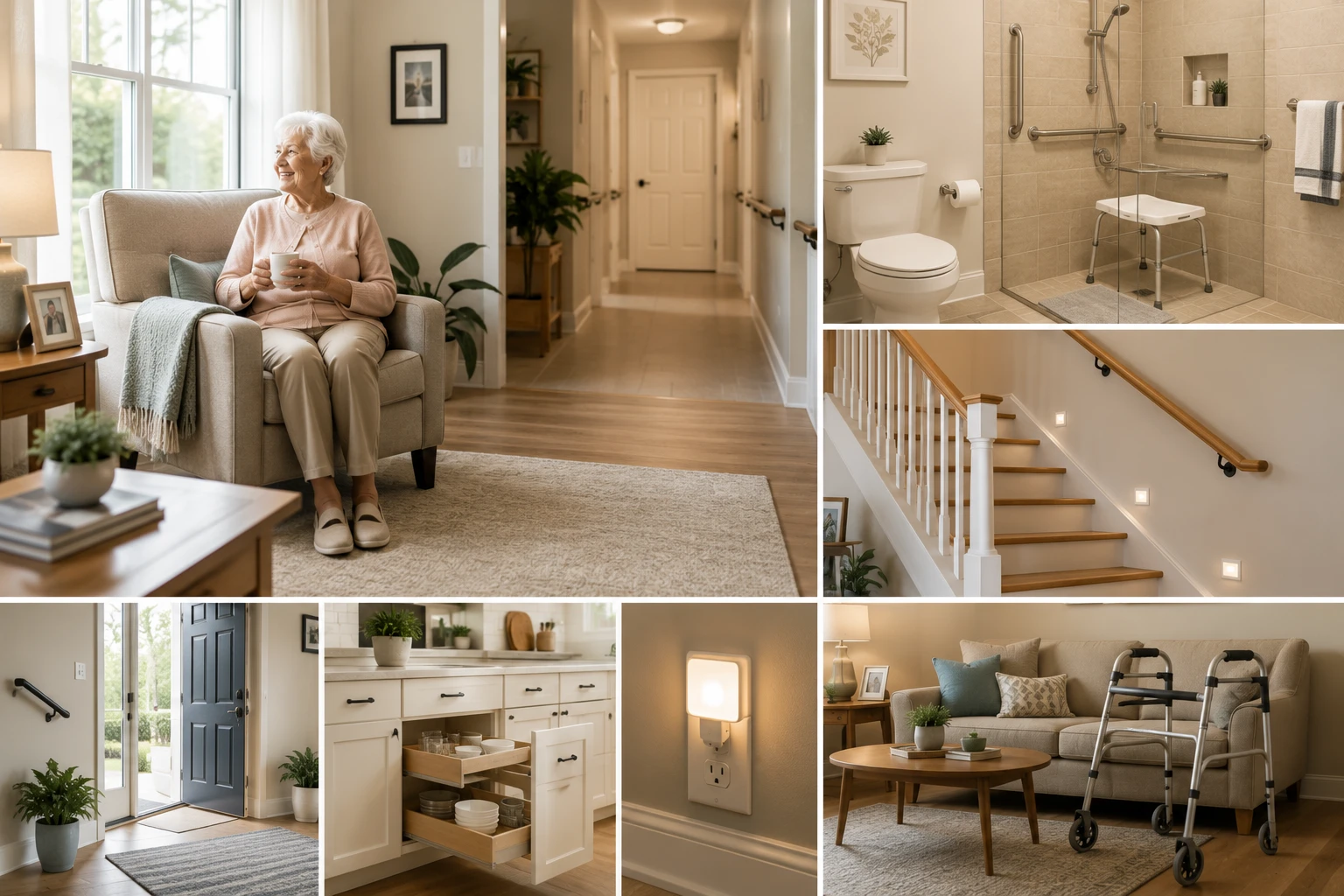
Many older adults want to remain in the comfort of their own homes as they age. Known as aging in place, this approach allows seniors to maintain their independence, stay close to family and friends, and continue living in familiar surroundings. However, creating a safe home environment is essential to reduce the risk of falls, injuries, and other accidents.
Simple home modifications and thoughtful planning can make everyday tasks easier while helping seniors live safely and confidently for years to come.
What Does Aging in Place Mean?
Aging in place means continuing to live safely and independently in your own home rather than moving to an assisted living community or long-term care facility.
With the right home environment and support, many seniors can maintain their independence while receiving assistance only when needed.
Why Home Safety Matters
As people age, changes in balance, vision, strength, and mobility can increase the risk of accidents at home.
Improving home safety can help:
- Reduce the risk of falls
- Improve mobility around the home
- Increase confidence and independence
- Prevent injuries
- Make everyday activities easier
- Support long-term aging in place
Many safety improvements are simple, affordable, and highly effective.
1. Remove Fall Hazards
Falls are one of the leading causes of injury among older adults, but many accidents are preventable.
To reduce fall risks:
- Remove loose rugs or secure them with non-slip backing
- Keep walkways clear of furniture and clutter
- Organize electrical cords away from walking paths
- Repair uneven flooring
- Clean spills immediately
- Keep frequently used items within easy reach
A clutter-free home allows seniors to move safely throughout each room.
2. Improve Bathroom Safety
Bathrooms are one of the most common places for falls because of wet, slippery surfaces.
Helpful safety upgrades include:
- Installing grab bars near the toilet and inside the shower
- Using non-slip bath mats
- Adding a shower chair or transfer bench
- Installing a handheld showerhead
- Raising the toilet seat if needed
These modifications make bathing and personal care safer and more comfortable.
3. Upgrade Home Lighting
Poor lighting can make it difficult to see obstacles, especially during the evening.
Improve visibility by:
- Replacing dim bulbs with brighter LED lighting
- Adding night lights in hallways and bathrooms
- Installing motion-sensor lights
- Increasing lighting on stairways
- Reducing glare from windows
Well-lit spaces help seniors navigate their homes more safely.
4. Make Stairs Safer
Stairs can become more challenging as mobility changes.
Safety improvements include:
- Installing sturdy handrails on both sides
- Repairing loose or damaged steps
- Applying non-slip stair treads
- Improving stairway lighting
- Keeping stairs free of clutter
If climbing stairs becomes difficult, relocating frequently used rooms to the main floor may also be helpful.
5. Improve Accessibility Throughout the Home
Small accessibility improvements can make daily life much easier.
Consider:
- Widening pathways for walkers or wheelchairs
- Rearranging furniture to create clear walking space
- Installing lever-style door handles
- Replacing round doorknobs with easier-to-use options
- Lowering frequently used storage items
Making the home easier to navigate supports continued independence.
6. Organize the Kitchen
The kitchen should be both safe and easy to use.
Helpful changes include:
- Keeping commonly used items within reach
- Avoiding step stools whenever possible
- Labeling medications and food clearly
- Using lightweight cookware
- Installing easy-to-grip cabinet handles
A well-organized kitchen reduces unnecessary reaching and bending.
7. Prepare for Emergencies
Every senior should have a plan in case of an emergency.
Important safety measures include:
- Keeping emergency phone numbers nearby
- Installing smoke and carbon monoxide detectors
- Testing alarms regularly
- Having a charged mobile phone within reach
- Considering a personal emergency response system
Being prepared provides greater confidence for both seniors and their families.
8. Keep Outdoor Areas Safe
Outdoor spaces should be just as safe as indoor living areas.
Check for:
- Uneven sidewalks or pathways
- Loose steps
- Ice or snow during winter
- Adequate outdoor lighting
- Secure handrails on entrances
Regular maintenance helps reduce outdoor fall risks.
9. Consider Professional Home Care Support
Even with a safe home, some seniors benefit from additional assistance.
Professional caregivers can help with:
- Personal care
- Meal preparation
- Medication reminders
- Mobility assistance
- Light housekeeping
- Companionship
- Transportation
Home care provides extra support while allowing seniors to continue living independently.
Frequently Asked Questions
What is aging in place?
Aging in place means remaining in your own home safely and independently as you grow older, often with home modifications and supportive care when needed.
What are the most important home safety improvements for seniors?
Some of the most effective improvements include installing grab bars, removing tripping hazards, improving lighting, adding non-slip flooring, and keeping walkways clear.
Why is fall prevention important for older adults?
Falls can lead to serious injuries, reduced mobility, and loss of independence. Preventing falls helps seniors remain active and safely continue living at home.
Can home care help seniors age in place?
Yes. Home care services provide assistance with daily activities, mobility, companionship, meal preparation, and personal care, making it easier for seniors to remain safely in their own homes.
Creating a Safer Home for Independent Living
Preparing a home for safe aging in place is one of the best ways to support long-term independence. Small improvements such as better lighting, safer bathrooms, clutter-free walkways, and accessibility upgrades can greatly reduce the risk of accidents while making everyday life more comfortable.
Combined with the right level of professional home care when needed, these changes help older adults continue enjoying the familiarity, comfort, and independence of living at home.