


Hospital Discharge Checklist for Seniors Returning Home
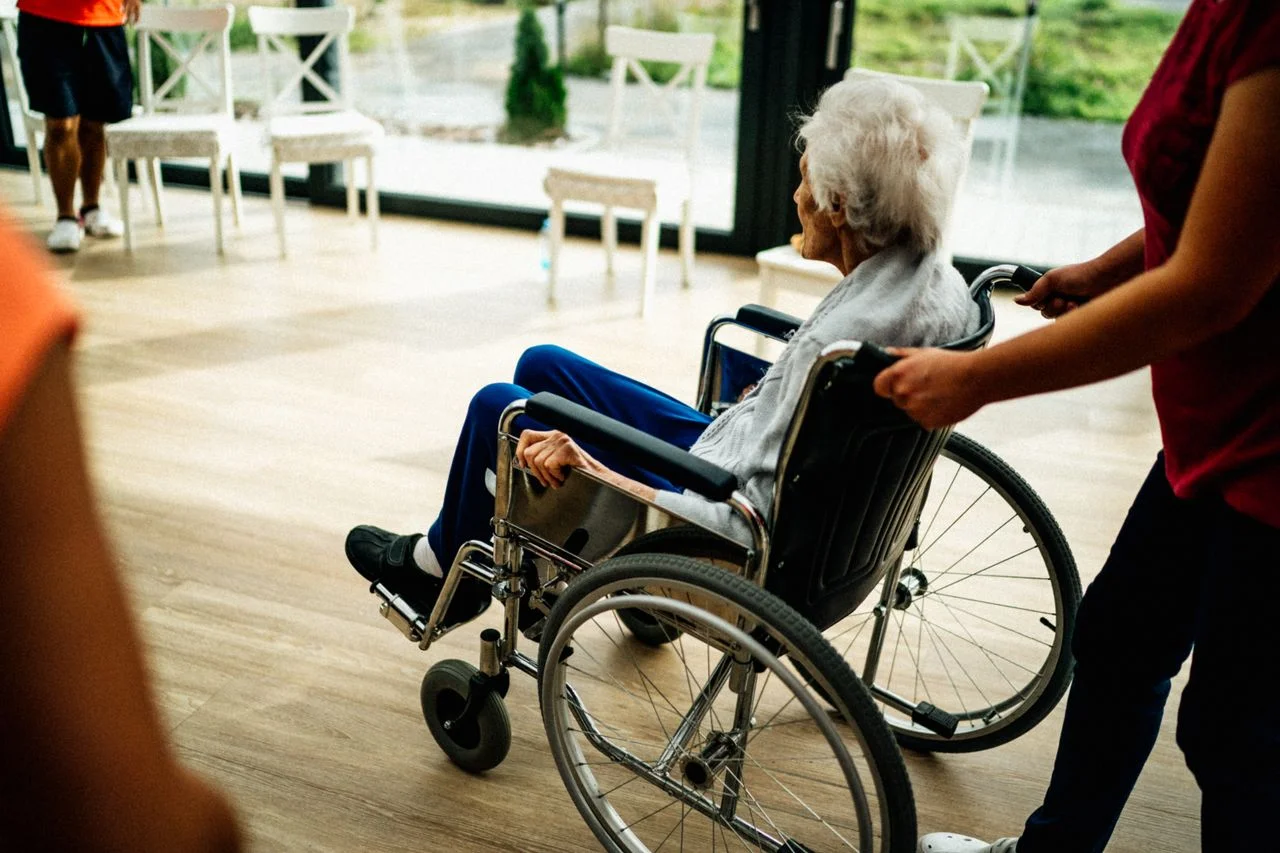
Returning home after a hospital stay can be challenging for seniors, especially after surgery, illness, or an injury. Proper planning can make the transition safer and reduce the risk of complications or readmission.
Use this hospital discharge checklist to prepare the home and arrange the right support before your loved one returns.
Understand the Discharge Instructions
Before leaving the hospital, ask the healthcare team to explain:
- The senior’s diagnosis and recovery plan
- Activity or mobility restrictions
- Wound care instructions
- Warning signs that require medical attention
- Follow-up appointments
- Dietary recommendations
Keep a written or digital copy of all instructions and contact information.
Review All Medications
Confirm which medications should be started, continued, changed, or stopped. Make sure you understand the correct dosage and timing.
Remove outdated medications from the home and use a pill organizer or reminder system when appropriate. Contact a pharmacist or healthcare provider if any instructions are unclear.
Prepare the Home for Safety
Walk through the home before the senior returns and remove possible hazards.
Consider:
- Clearing walkways and loose rugs
- Improving lighting
- Adding grab bars in the bathroom
- Placing frequently used items within easy reach
- Preparing a safe sleeping area
- Installing a raised toilet seat or shower chair if needed
These changes can help reduce the risk of falls.
Arrange Transportation and Follow-Up Care
Plan safe transportation home from the hospital and to future medical appointments. Make sure the senior can enter the home comfortably, especially if there are stairs.
Write down all follow-up appointments and confirm whether physiotherapy, nursing, or other services are required.
Stock Food and Essential Supplies
Prepare simple, nutritious meals that follow the senior’s dietary instructions. Stock medications, wound care products, hygiene items, and other recovery supplies before discharge day.
Keeping essentials nearby can reduce unnecessary movement during the first few days at home.
Assess Mobility and Personal Care Needs
Your loved one may temporarily need help with:
- Bathing and dressing
- Toileting
- Walking and transfers
- Meal preparation
- Medication reminders
- Light housekeeping
- Getting to medical appointments
Do not assume they can immediately return to their usual routine.
Arrange Home Care Support
Family members may not always be available to provide the level of care required after discharge. Professional home care can offer personal assistance, companionship, mobility support, meal preparation, and supervision during recovery.
Support may be arranged for a few hours, overnight, or around the clock depending on the senior’s condition.
Watch for Warning Signs
Contact a healthcare professional if your loved one experiences worsening pain, breathing difficulties, fever, confusion, swelling, unusual weakness, or changes around a wound.
Follow the hospital’s instructions for emergencies and recovery concerns.
Post-Hospital Home Care in Calgary
A well-planned discharge can help seniors recover more comfortably and safely at home. Cnurses provides post-operative and post-hospital home care in Calgary, including personal care, meal support, mobility assistance, companionship, and help with daily routines.
Contact Cnurses to arrange support before your loved one returns home.